Union Budget 2026-27 Boosts Education, UGC Funding & AI Research
2 minute read

• Updated on 2 Feb, 2026, 10:57 AM, by Arman Kumar
The Union Budget 2026-27 presented by the Government of India has significantly increased the education sector allocation to INR 1.39 lakh crore, with notable raises for higher education, the University Grants Commission (UGC) and AI research funding. The budget also emphasises innovation, research support and digital learning initiatives at campuses nationwide.

The Union Budget 2026-27, presented in Parliament, has allocated a total of INR 1,39,289 crore to the education sector, reflecting an 8.27 per cent increase over the previous year and signalling the Government’s continued focus on strengthening learning and research ecosystems.
Higher Education Allocation Rises with UGC Funding Increase
Under the new budget, the Department of Higher Education has received around INR 55,727 crore, representing an approximate 11 per cent rise over the previous year’s estimates. Allocations to major bodies such as the University Grants Commission (UGC) have also seen a boost, with UGC’s share increased to INR 3,709 crore to support academic standards, research, infrastructure and curriculum development. This increase further empowers central universities, institutes of national importance and regulatory bodies to enhance quality, global competitiveness and capacity building in higher education.
AI, Research and Digital Learning Get Strategic Support
A clear focus of the education budget is advancing research and technology-driven learning. The 2026-27 budget earmarks funds for the establishment of Centres of Excellence in Artificial Intelligence for Education and enhanced support for AI research in academic institutions. Additionally, schemes such as PM Research Fellowships and PM Research Chairs are funded to strengthen doctoral and post-doctoral research, with provisions for international journal access under One Nation One Subscription.These measures are aimed at aligning Indian higher education with evolving global demands and fostering innovation-led growth.
School Education, STEM and Skill Integration
While higher education receives a significant allocation, school education also sees historic investment. The Department of School Education and Literacy has been given its highest-ever outlay in this budget cycle, supporting initiatives including digital classrooms, skill-based learning, and expansion of infrastructure like Atal Tinkering Labs and teacher capacity enhancements. The Budget further emphasises linking education with employment and enterprise, including plans for an Education-to-Employment and Enterprise Standing Committee to ensure curricula and training align with job market needs, especially in emerging tech domains like AI, robotics and data science.
Infrastructure and Inclusive Development Measures
Among key infrastructure initiatives are five new university townships planned along major industrial corridors and targeted development of residential infrastructure like girls’ hostels in every district, supporting wider access and gender inclusion in advanced learning. In addition to funding education institutions, the budget underscores expanding vocational and creative economy opportunities — for instance, content creator labs in thousands of schools and colleges to nurture skills in animation, gaming and digital media.
Government Perspective and Future Vision
Education Minister Dharmendra Pradhan characterised the budget as a “Yuva Shakti-driven blueprint” for national development, highlighting its potential to strengthen human capital, promote innovation, and support employment crea. tion. The enhanced budget framework demonstrates a multi-pronged strategy linking education, technology and skills with the Vision of a Viksit Bharat by 2047Overall, the 2026-27 Union Budget reflects a comprehensive attempt to elevate India’s education ecosystem through enhanced funding, research propulsion, AI integration and structural reforms designed to prepare students for future-ready careers and global competitiveness.
General News
DU FSS 2026-27: Last Date Extended to October 23

IIT Kharagpur Free GATE JAM Preparation Platform

IIM Ahmedabad Launches 2-Year Executive MBA at Dubai Campus for Working Professionals

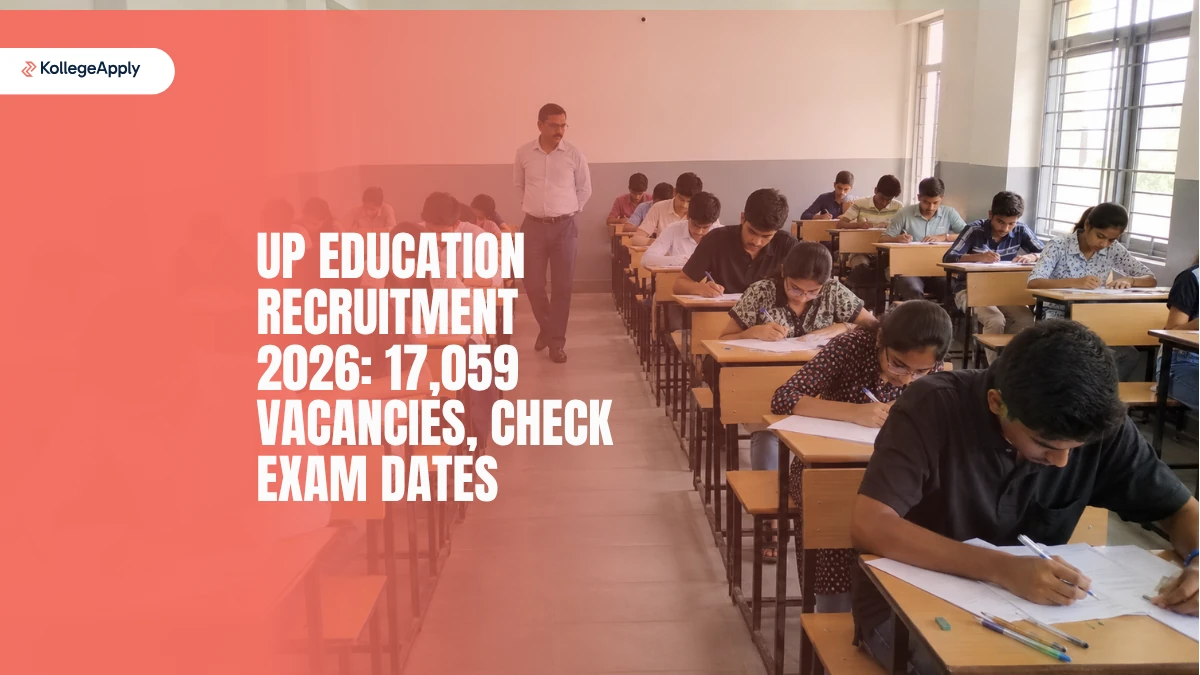
UP Education Recruitment 2026: 17,059 Posts and Exam Dates Here
UP Scholarship 2026-27: Applications Open for UG, PG and Diploma Students, Apply Here

GLIM Chennai PGPM 2027-28 Fee Structure: Check Total Fees

IIT Roorkee University of Calgary Joint Doctoral Degree Programme

JEE Advanced 2026: Top 100 Choices, IIT Bombay Leads

UP Scholarship 2026-27: Check Last Date and Apply Online

NIRF Ranking 2026: NIT vs IIT 5-Year Engineering Trend