
JEE Main 2026 Chemistry Paper Analysis: Difficulty, Key Topics & Trends
2 minute read

• Updated on 21 Jan, 2026, 3:37 PM, by Disha Yadav
JEE Main 2026 Chemistry section for the January 21 shift 1 exam was generally easy to moderate in difficulty, with Physical and Organic Chemistry dominating the question paper. Candidates reported a balanced distribution of topics with more direct and NCERT-based questions, helping many attempt the section confidently. The analysis also highlights important chapters and how students can assess performance ahead of answer key release.

The JEE Main 2026 Chemistry paper analysis for the January 21, shift 1 exam shows that the section was largely easy to moderate in difficulty with a good mix of topics. Many aspirants found the Chemistry section more manageable compared to Physics and Mathematics, aiding better attempts and score potential.
JEE Main 2026 Chemistry Section Difficulty
According to initial reactions from candidates and expert reviewers, the Chemistry paper in JEE Main 2026 was relatively easier and more scoring than other subjects. Most questions were based on direct concepts and formula applications, reducing time pressure and allowing candidates to attempt more questions with confidence. Of the total 25 questions in the Chemistry section, 20 were Multiple Choice Questions (MCQs) and 5 were Numerical Answer Type (NAT) problems. Many students found these questions straightforward, though certain multi-statement items required careful thought.
High Weightage Topics in JEE Main Chemistry 2026
Candidates preparing future shifts or assessing performance should focus on topics that dominated the paper. These chapters tended to appear frequently and carry more marks:
- Physical Chemistry, including Chemical Thermodynamics and Ionic Equilibrium
- General Organic Chemistry and Organic reactions
- Coordination Chemistry and p-block elements
- Chemical Bonding and Molecular Structure
- Electrochemistry and Redox Reactions
This distribution suggests a balanced coverage across major segments, with an edge toward Physical and Organic Chemistry.
Overall Difficulty Assessment
Based on student feedback and expert insights, the 2026 Chemistry paper was easily approachable, especially for those who covered the NCERT syllabus comprehensively. Many questions were formula-driven or concept-based, leading to quicker solving for well-prepared candidates. Compared to Physics and Mathematics, which were rated more moderate to tough and lengthy respectively, Chemistry emerged as one of the scoring sections of the exam.
What Does This Means for Performance?
With the Chemistry paper being relatively smoother, students are advised to use this paper analysis to gauge likely scores ahead of the official answer key release by the National Testing Agency (NTA). The answer key and score calculations will allow candidates to estimate performance before final results are announced. A focused revision of the high-weightage topics listed here can also guide preparation for upcoming JEE Main shifts in the January session or future attempts.
Entrance Exam News
NEET PG 2026 Answer Key: Supreme Court Hearing on October 15, Check Key Details

AP ECET Pharmacy Counselling 2026: Phase 1 Allotment Released, Report by October 15

Karnataka NEET UG Stray Vacancy Round 2026: Registration Begins for MBBS Seats

Tripura NEET PG Counselling 2026: Candidate List Released, Check PDF, Eligibility and Registration

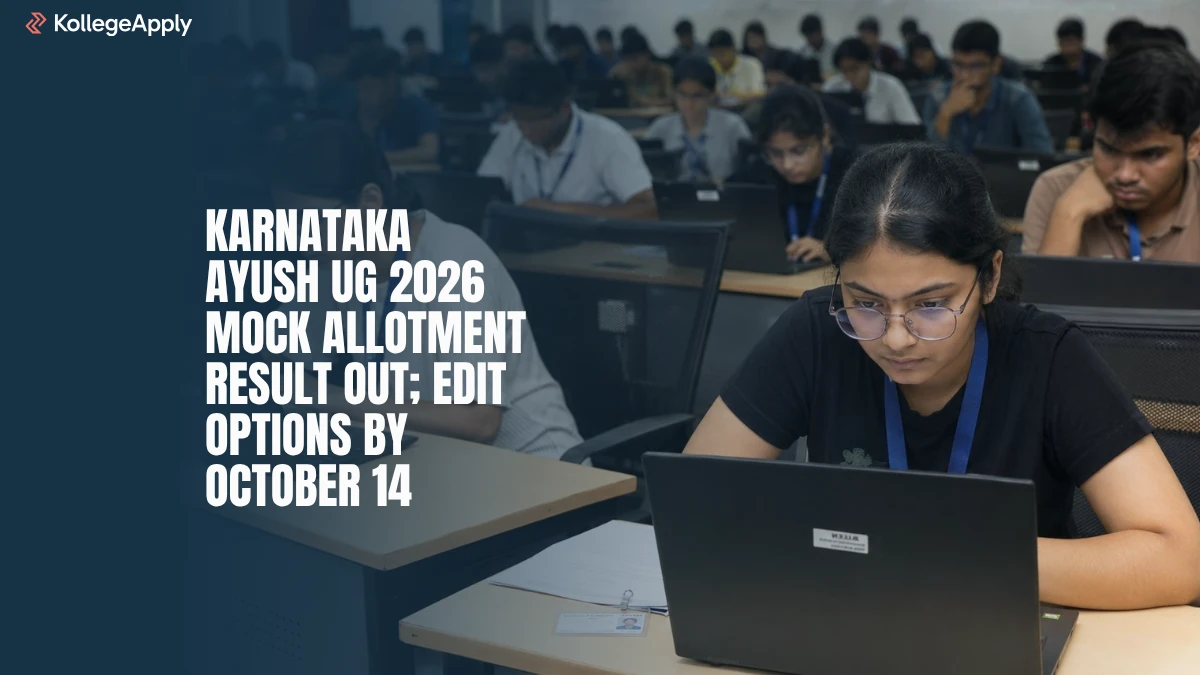
Karnataka AYUSH UG 2026: Mock Allotment Result Out; Edit Options by October 14
MHT CET 2027 Exam: Centre Allotment May Be Linked to Class 12 College PIN Code

Assam NEET PG 2026: Check Additional Weightage Application Deadline, Eligibility and Documents

XAT 2027 Form Correction Window: Check Editable Details, Registration Deadline Here

MP NEET PG Counselling 2026 Registration Underway: Check Schedule, Last Date and Documents Required

MET 2027 Registration Last Date Revised: Check New Schedule Here

JEE Main News
LIVENTA JEE Mains 2027 Registration Date Live: Application Form Update, Eligibility, Session 1 Details

JEE Main 2027 Registration Live Updates: Check Dates, Session 1 Details, Direct Link Here

JEE Main 2027 Registration Soon: Session 1 Application Form Date

JEE Main 2027: Registration Date Live, Session 1 Form, Exam Date and Latest Updates

JEE Main 2027 Registration Date LIVE: Session 1 Form Expected in October, Check Latest Updates

JEE Main 2027 Exam Date Out: Check Registration, NTA Calendar and Latest Updates Here

JEE Main 2027: Check Exam Date, Syllabus, Pattern, Eligibility, Application Process Here

NEET, JEE Admissions May Include 50% Board Exam Weightage Proposal

DU BTech First Round Seat Allotment 2026 Released, Check Eligibility, Fees

LIVEJEE Main 2026 Day 2 LIVE Updates: Jan 22 Coverage, Shift-wise Analysis
