
Emerging Study Abroad Trends and Signals for Talent Mobility 2026
2 minute read

• Updated on 14 Jan, 2026, 4:53 PM, by KollegeApply
In 2026, study abroad decisions are increasingly driven by career outcomes, visa certainty, and long-term employability rather than institutional prestige.

The global study abroad landscape is undergoing a clear shift as students increasingly view international education as a pathway to employment and long-term mobility. In 2026, academic reputation alone is no longer enough; immigration rules, labour market access, and financial feasibility are shaping where students choose to study.
Return on investment has emerged as a central factor in decision-making. Students and families are closely evaluating tuition costs, living expenses, and expected career outcomes. Institutions and countries offering structured post-study work options and clearer employment pathways are gaining preference over those relying solely on brand reputation.
Visa and immigration policies now play a decisive role. Countries such as Australia, Germany, and the UK have adjusted post-study work frameworks to align education with workforce needs. At the same time, policy uncertainty in some traditional destinations has made students more cautious, with stability becoming as important as rankings.
Another notable trend is the rise of alternative study destinations. Alongside established markets, countries in Asia and the Middle East are positioning themselves as education-to-employment hubs by offering industry-aligned programs and regional career exposure at relatively lower costs.
Universities are responding by redesigning curricula to include internships, industry projects, and cross-border collaborations. Technology is also reshaping mobility through hybrid learning models and digital career services, creating graduates who are prepared to work across geographies rather than being tied to a single country or job market.
Study Abroad News
UK Student Visa Refusal 2026: New 5% Sponsor Limit

New Zealand Emerges as Major Study Destination for Indian Students in 2026: Know Details

Australia Student Visa Family Rules 2026: Check New Changes for International Students
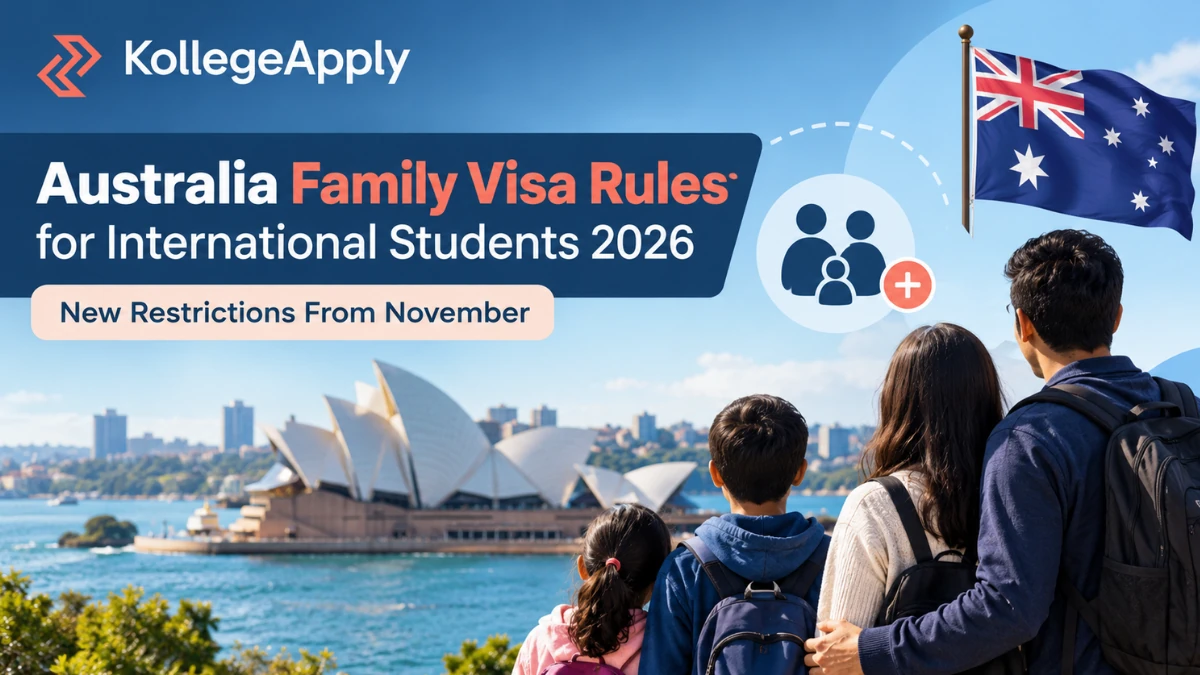
UK Sponsored Study Visa: Applications Fall to Lowest August Level Since 2022, Details Here
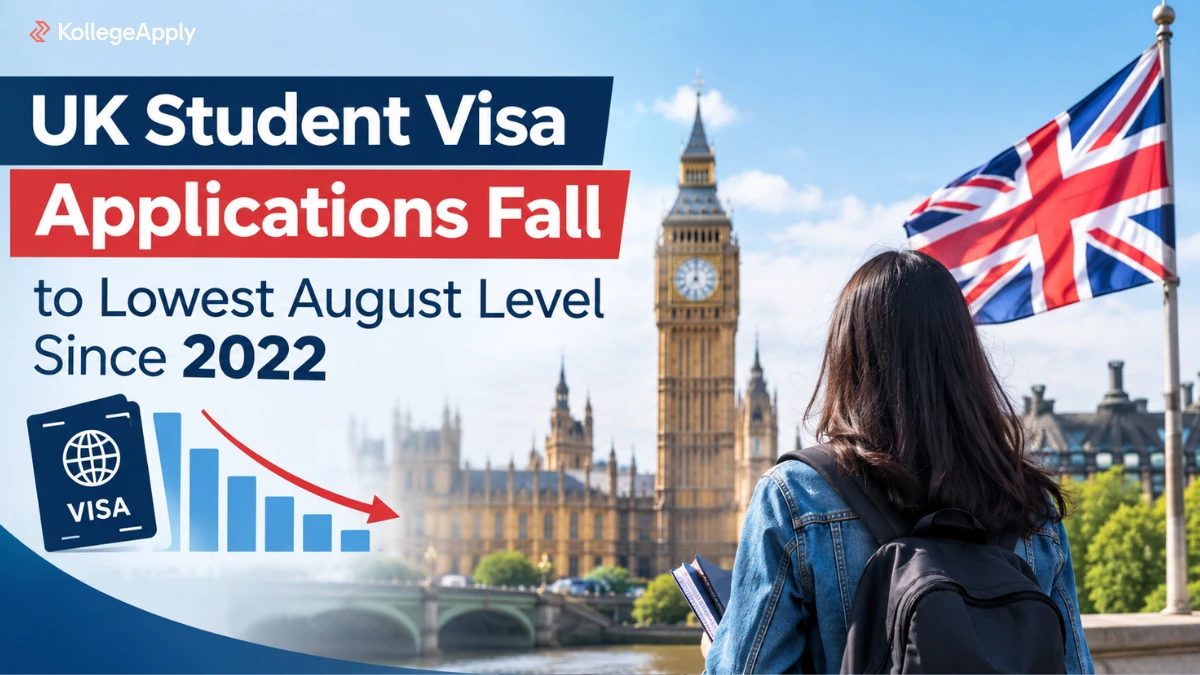
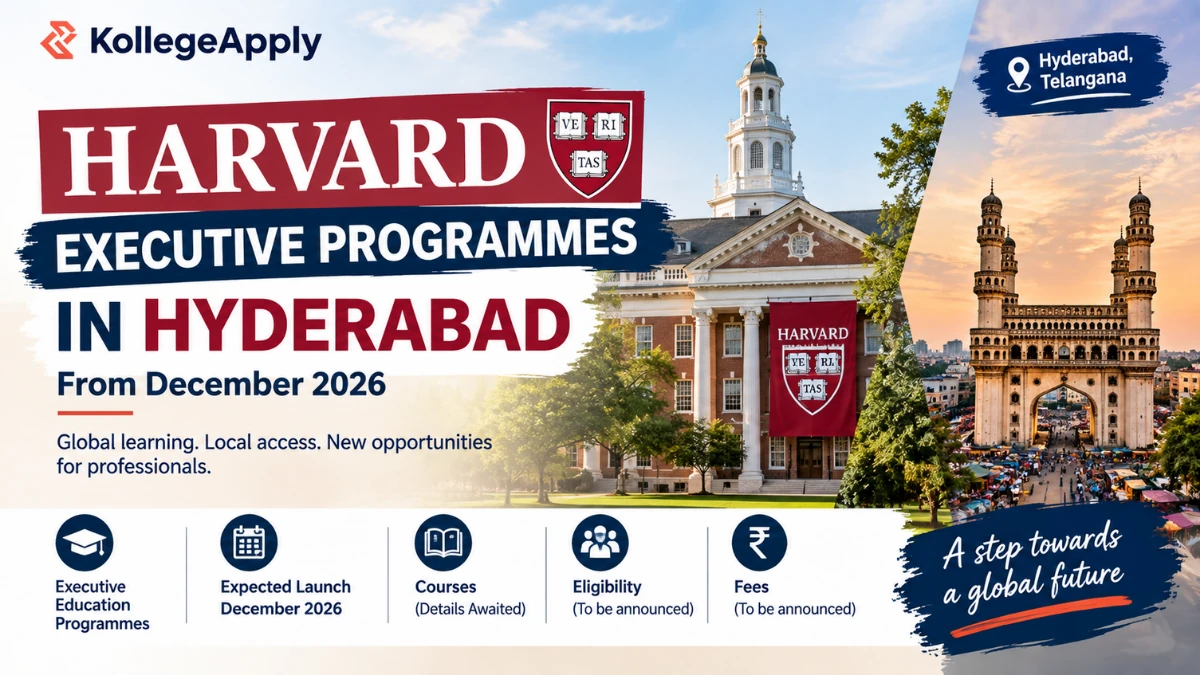
Harvard Executive Programmes 2026: Check Courses, Details and Latest Update Here
Canada Lets Eligible Foreign Workers Study Short Courses Without a Study Permit

USCIS to Require New I-539 and I-765 Forms From September 15

Australia Student Rents Rise 40% as Universities Seek Cost-of-Living Relief

UK Student Visa Applications Fall 16% Year-on-Year to 360,700

Australia September 2026 Intake Nears Key Enrolment and Arrival Deadlines
