Allahabad High Court Upholds Right of Unrecognised Madrasas to Operate
2 minute read

• Updated on 20 Jan, 2026, 12:51 PM, by Arman Kumar
The Allahabad High Court has ruled that an unrecognised madrasa that does not seek government aid or recognition can continue to operate. The judgment emphasises that the state has no legal authority to shut down such institutions solely for lack of recognition.

The Allahabad High Court has ruled that unrecognised madrasas in Uttar Pradesh that do not seek state recognition or financial aid cannot be shut down by government authorities. The judgement came in response to a petition challenging a closure order directed by a district official.
Court’s Key Observations on Madrasa Operation and Rights
In its decision, a bench led by Justice Subhash Vidyarthi clarified that the State does not possess statutory power to order the closure of a minority educational institution solely due to its lack of official recognition, provided the institution is not seeking government grants or involvement in state-regulated examinations. The court quashed the closure order and directed that the seal on the madrasa be removed promptly. The ruling reaffirms the protections under Article 30(1) of the Indian Constitution, which safeguards the rights of minorities to establish and administer educational institutions of their choice. The court noted that while non-recognised madrasas may be ineligible for state assistance or inclusion in formal examination frameworks, that alone does not justify forced closure.
Implications for Education and Minority Institutions
This judgement has significant implications for minority educational institutions across Uttar Pradesh:
- Unrecognised institutions can continue operating independently without fear of closure by state authorities.
- These institutions remain outside state aid and official examination benefits until they obtain formal recognition.
- The ruling emphasises constitutional guarantees over administrative actions that lack statutory backing.
Education experts observe that the decision strengthens legal protection for community-run education centres and curbs executive overreach in matters of school operation. The judgement may also influence future cases involving minority rights and educational governance.
Broader Allahabad High Court Activity
On other fronts, the High Court has emphasised the right to appear in examinations as integral to human dignity under Article 21, directing a university to conduct a special exam for a student denied an admit card earlier.Additionally, the court recently ruled that a Bachelor of Education (BEd) degree is mandatory for selection in assistant teacher roles in Uttar Pradesh, reinforcing statutory qualifications in the education recruitment process.
General News
DU FSS 2026-27: Last Date Extended to October 23

IIT Kharagpur Free GATE JAM Preparation Platform

IIM Ahmedabad Launches 2-Year Executive MBA at Dubai Campus for Working Professionals

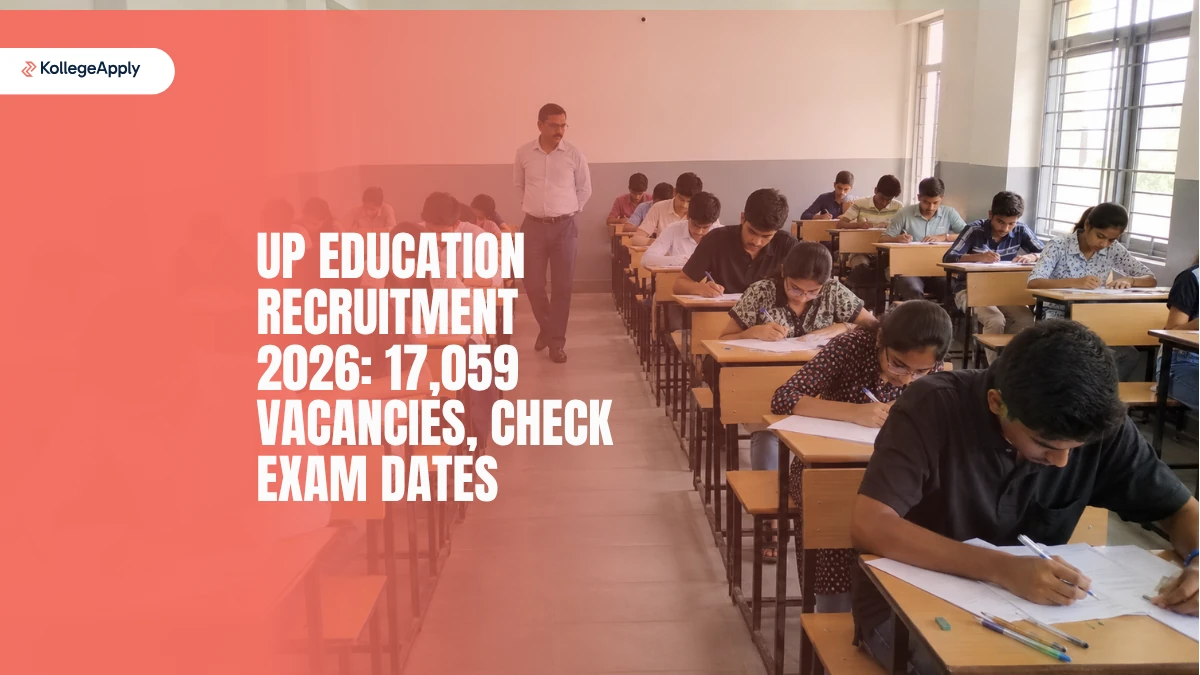
UP Education Recruitment 2026: 17,059 Posts and Exam Dates Here
UP Scholarship 2026-27: Applications Open for UG, PG and Diploma Students, Apply Here

GLIM Chennai PGPM 2027-28 Fee Structure: Check Total Fees

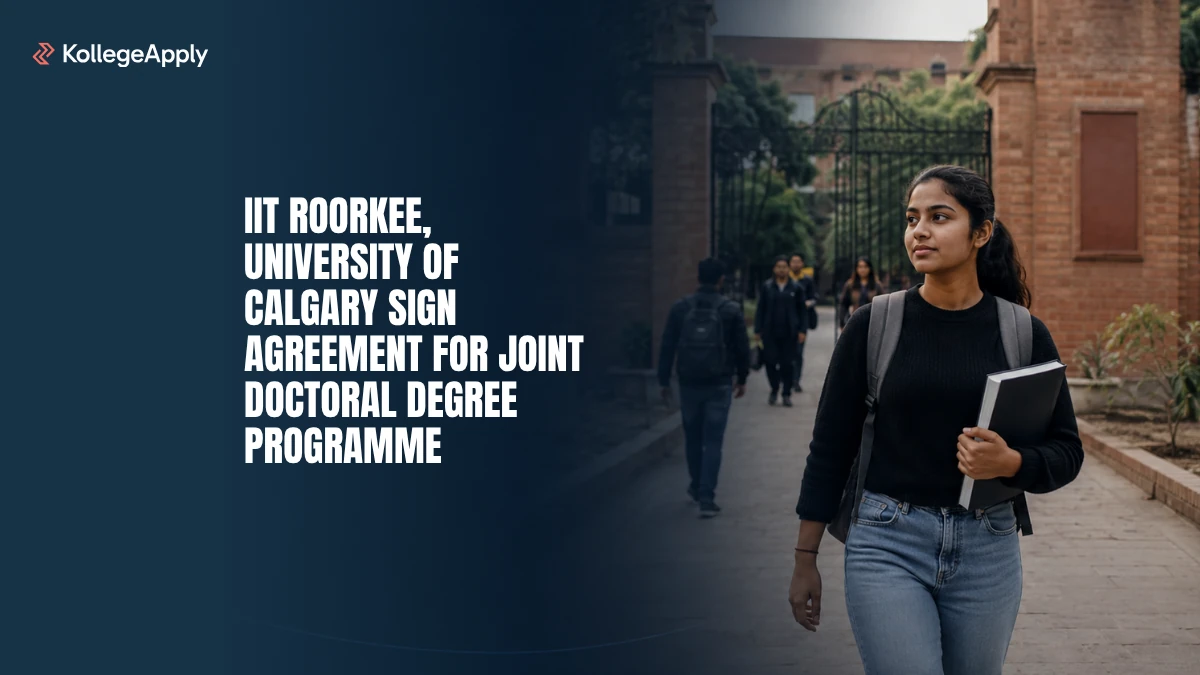
IIT Roorkee University of Calgary Joint Doctoral Degree Programme
JEE Advanced 2026: Top 100 Choices, IIT Bombay Leads

UP Scholarship 2026-27: Check Last Date and Apply Online

NIRF Ranking 2026: NIT vs IIT 5-Year Engineering Trend