
JEE Main 2026 Session 1 Toughest Shift Analysis: Jan 21 Shift 1 Hardest
2 minute read

• Updated on 22 Jan, 2026, 7:12 PM, by Disha Yadav
Analysis of JEE Main 2026 Session 1 difficulty levels shows January 21 Shift 1 emerging as the toughest compared with other shifts. The shift featured relatively challenging questions in Mathematics and Chemistry sections.

In the JEE Main 2026 Session 1 examination, difficulty levels varied across shifts held on different days. According to memory‑based analysis by subject experts and student feedback, the January 21 Shift 1 exam was comparatively tougher than other shifts conducted so far in the Session 1 cycle. This assessment is based on initial trends in subject difficulty and overall question patterns shared by candidates.
Why JEE Main 2026 Jan 21 Shift 1 Is Considered Tougher?
When shifts across January 21 and January 22 were analysed side‑by‑side, the Shift 1 paper on January 21 displayed greater difficulty in two major subjects — Mathematics and Chemistry — relative to many other sessions:
- Mathematics: Students reported longer and complex calculation problems that required more time, pushing overall difficulty higher than other shifts.
- Chemistry: Some questions were concept‑heavy and required deeper understanding instead of direct recall, making this section harder than usual.
- Physics: Remained moderate in most shifts, though combined test patterns contributed to the overall challenge.
This variation is visible when comparing shift‑wise trends on January 21 and January 22, where many students found January 21’s first shift tougher in Maths and Chemistry than its later slots.
JEE Main 2026 Shift‑Wise Difficulty Patterns So Far
Based on analysed responses and expert reviews, the Session 1 shift difficulty chart shows:
- January 21 Shift 1: Moderately tough overall — particularly in Maths and Chemistry.
- January 21 Shift 2: Moderate overall with easier physics and slightly easier chemistry pattern.
- January 22 Shifts: Initial feedback suggests balanced difficulty with many NCERT‑based questions.
Experts emphasise that difficulty can fluctuate across sessions and days, making it important for students to review shift‑wise analysis rather than judging by a single session only.
What “JEE Main 2026 Toughest Shift” Means?
A shift being labelled as toughest does not mean that students will perform poorly overall. Instead:
- Average marks in a tougher paper tend to be lower.
- It may reduce the number of students scoring top marks, which can impact percentile distribution.
- Sometimes, tougher papers can help scoring higher percentile with fewer marks after normalization.
This analysis helps aspirants gauge expected marks vs percentile trends and prepare better for remaining shifts in the Session 1 exam.
Expert Tips for JEE Main Candidates
Coaching experts recommend all candidates:
- Focus on core NCERT concepts for Physics and Chemistry.
- Practice lengthy calculation questions in Mathematics to improve speed and accuracy.
- Attempt mock tests across different difficulty patterns to build exam temperament.
As the Session 1 cycle continues till 29 January 2026, further shift‑wise analysis will provide deeper insights into longest trends and possible impact on cut‑off and results.
Entrance Exam News
NEET PG 2026 Answer Key: Supreme Court Hearing on October 15, Check Key Details

AP ECET Pharmacy Counselling 2026: Phase 1 Allotment Released, Report by October 15

Karnataka NEET UG Stray Vacancy Round 2026: Registration Begins for MBBS Seats

Tripura NEET PG Counselling 2026: Candidate List Released, Check PDF, Eligibility and Registration

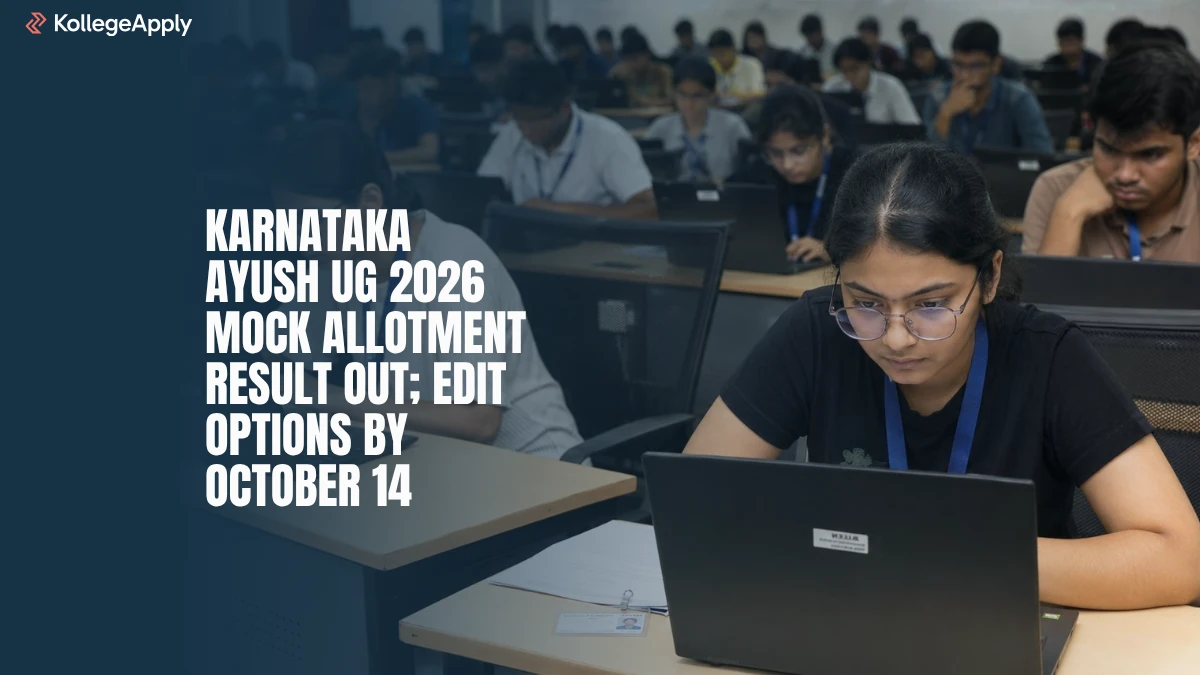
Karnataka AYUSH UG 2026: Mock Allotment Result Out; Edit Options by October 14
MHT CET 2027 Exam: Centre Allotment May Be Linked to Class 12 College PIN Code

Assam NEET PG 2026: Check Additional Weightage Application Deadline, Eligibility and Documents

XAT 2027 Form Correction Window: Check Editable Details, Registration Deadline Here

MP NEET PG Counselling 2026 Registration Underway: Check Schedule, Last Date and Documents Required

MET 2027 Registration Last Date Revised: Check New Schedule Here

JEE Main News
LIVENTA JEE Mains 2027 Registration Date Live: Application Form Update, Eligibility, Session 1 Details

JEE Main 2027 Registration Live Updates: Check Dates, Session 1 Details, Direct Link Here

JEE Main 2027 Registration Soon: Session 1 Application Form Date

JEE Main 2027: Registration Date Live, Session 1 Form, Exam Date and Latest Updates

JEE Main 2027 Registration Date LIVE: Session 1 Form Expected in October, Check Latest Updates

JEE Main 2027 Exam Date Out: Check Registration, NTA Calendar and Latest Updates Here

JEE Main 2027: Check Exam Date, Syllabus, Pattern, Eligibility, Application Process Here

NEET, JEE Admissions May Include 50% Board Exam Weightage Proposal

DU BTech First Round Seat Allotment 2026 Released, Check Eligibility, Fees

LIVEJEE Main 2026 Day 2 LIVE Updates: Jan 22 Coverage, Shift-wise Analysis
