
JEE Main 2026 Rank Predictor Session 2: Check Expected Rank & Percentile Online
2 minute read

• Updated on 5 Apr, 2026, 6:37 PM, by Disha Yadav
The JEE Main 2026 Rank Predictor Session 2 is a useful tool for candidates to estimate their expected All India Rank (AIR) and percentile based on marks obtained in the exam. It helps students analyze their performance before the official result declaration by NTA.

The JEE Main 2026 Rank Predictor Session 2 is an online tool designed to help candidates estimate their probable rank, percentile score, and admission chances based on their performance in the April session examination. After the completion of all shifts, students can use this tool to get a clear idea of where they stand before the official results are announced by the National Testing Agency (NTA).
JEE Main 2026 Rank Predictor Session 2
The JEE Main 2026 Session 2 rank predictor tool helps students calculate expected ranks using:
- Estimated marks out of 300
- Shift difficulty level (easy, moderate, tough)
- Previous year percentile trends
- Normalization process used by NTA
It gives an approximate All India Rank (AIR) based on statistical prediction models.
How JEE Main 2026 Rank Predictor Works?
The JEE Main 2026 Session 2 rank predictor works on a data-driven model that includes:
- Number of candidates appearing in Session 2
- Subject-wise difficulty level (Maths, Physics, Chemistry)
- Normalization across different shifts
- Historical marks vs percentile mapping
This helps generate a near-accurate rank range for students.
Benefits of JEE Main 2026 Rank Predictor
The JEE Main 2026 Session 2 rank predictor is helpful for aspirants in many ways:
- Estimates chances of JEE Advanced qualification
- Helps in predicting NIT, IIIT, and GFTI admission chances
- Provides early clarity before official results
- Assists in counselling and college selection strategy
JEE Main 2026 Session 2 Marks vs Expected Rank
Note: These are estimated values based on previous trends and may vary after official normalization.
Limitations of JEE Main 2026 Rank Predictor
The JEE Main 2026 Session 2 rank predictor provides only an approximate result, not the final rank. Actual results depend on:
- NTA normalization process
- Total number of candidates in Session 2
- Difficulty variation across shifts
- Final official scoring methodology
What to Do After Using a Rank Predictor?
After checking the JEE Main 2026 Session 2 rank predictor, candidates should:
- Compare expected rank with previous year cut-offs
- Shortlist engineering colleges (NITs, IIITs, GFTIs)
- Prepare for JEE Advanced if eligible
- Track official NTA result updates
Entrance Exam News
NEET PG 2026 Answer Key: Supreme Court Hearing on October 15, Check Key Details

AP ECET Pharmacy Counselling 2026: Phase 1 Allotment Released, Report by October 15

Karnataka NEET UG Stray Vacancy Round 2026: Registration Begins for MBBS Seats

Tripura NEET PG Counselling 2026: Candidate List Released, Check PDF, Eligibility and Registration

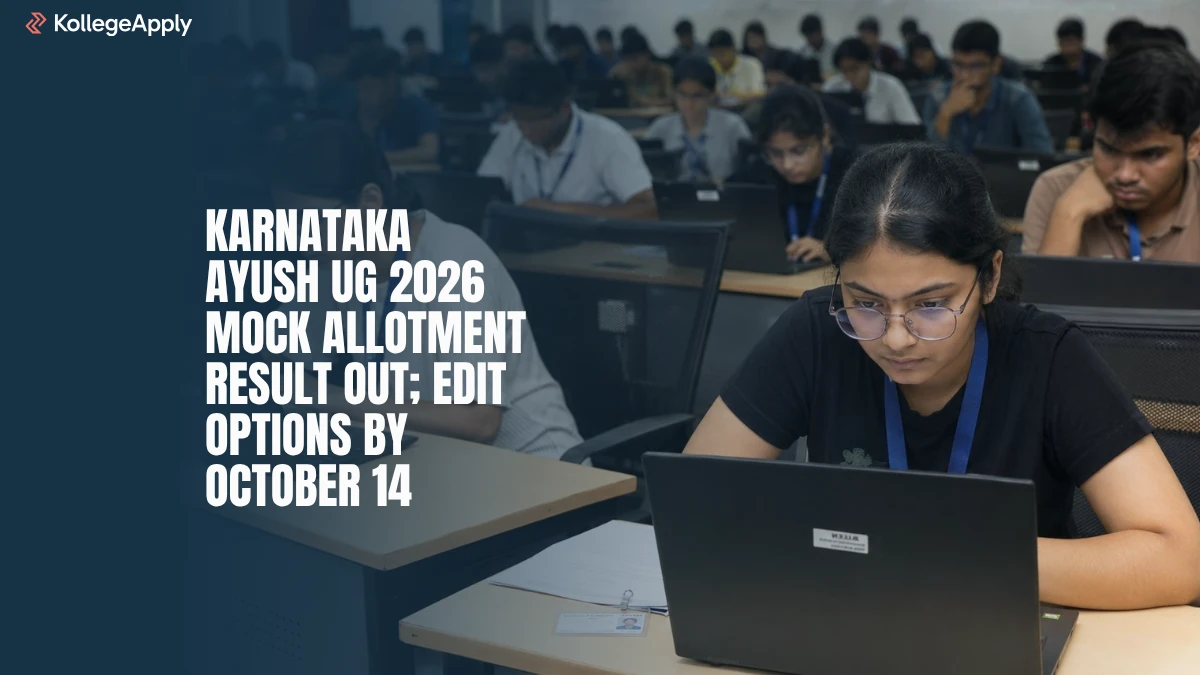
Karnataka AYUSH UG 2026: Mock Allotment Result Out; Edit Options by October 14
MHT CET 2027 Exam: Centre Allotment May Be Linked to Class 12 College PIN Code

Assam NEET PG 2026: Check Additional Weightage Application Deadline, Eligibility and Documents

XAT 2027 Form Correction Window: Check Editable Details, Registration Deadline Here

MP NEET PG Counselling 2026 Registration Underway: Check Schedule, Last Date and Documents Required

MET 2027 Registration Last Date Revised: Check New Schedule Here

JEE Main News
LIVENTA JEE Mains 2027 Registration Date Live: Application Form Update, Eligibility, Session 1 Details

JEE Main 2027 Registration Live Updates: Check Dates, Session 1 Details, Direct Link Here

JEE Main 2027 Registration Soon: Session 1 Application Form Date

JEE Main 2027: Registration Date Live, Session 1 Form, Exam Date and Latest Updates

JEE Main 2027 Registration Date LIVE: Session 1 Form Expected in October, Check Latest Updates

JEE Main 2027 Exam Date Out: Check Registration, NTA Calendar and Latest Updates Here

JEE Main 2027: Check Exam Date, Syllabus, Pattern, Eligibility, Application Process Here

NEET, JEE Admissions May Include 50% Board Exam Weightage Proposal

DU BTech First Round Seat Allotment 2026 Released, Check Eligibility, Fees

LIVEJEE Main 2026 Day 2 LIVE Updates: Jan 22 Coverage, Shift-wise Analysis
